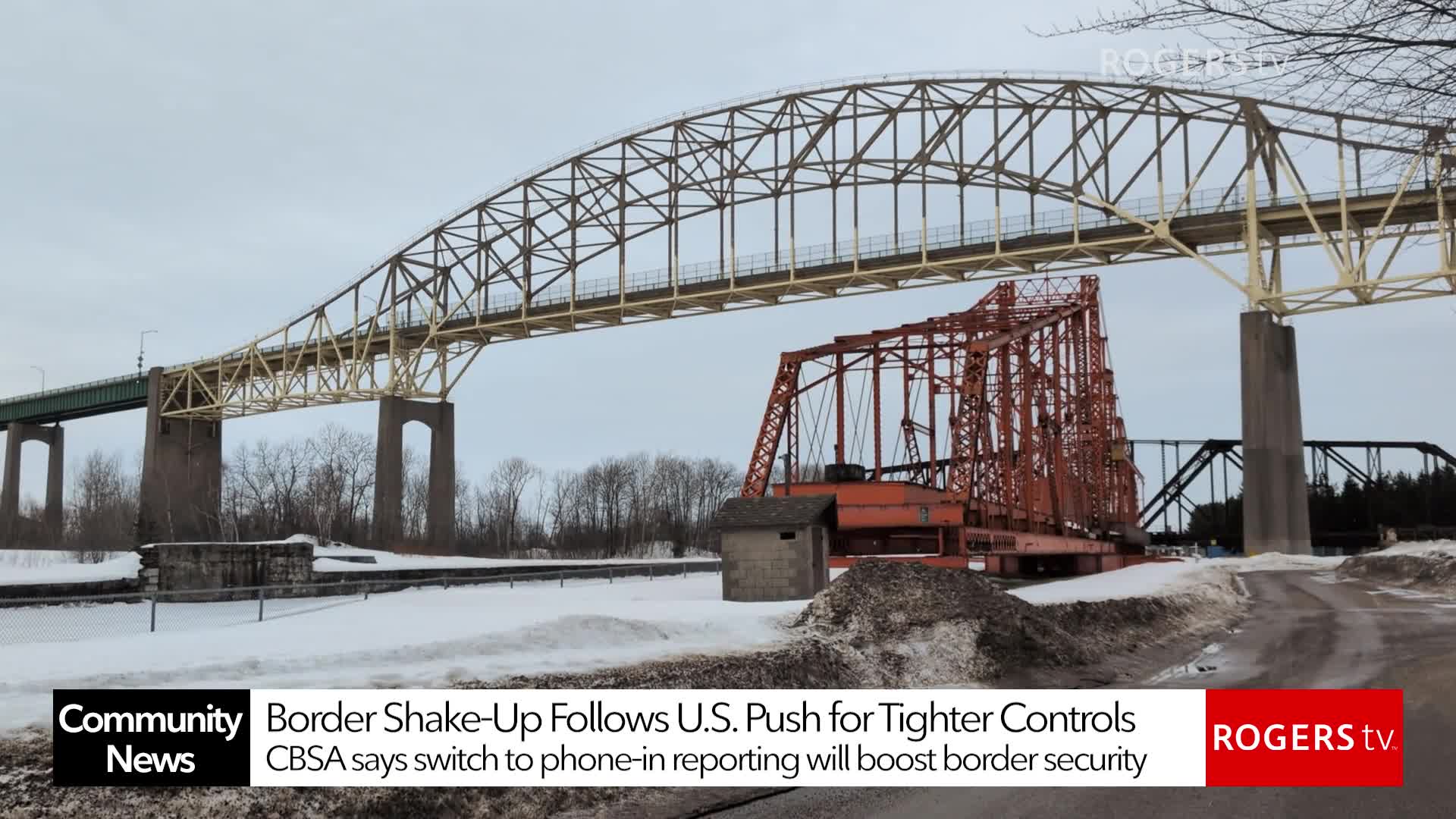
Rogers tv Community News
Canada Ends Remote Area Border Crossing Program: What the New Phone-In System Means for Travellers
Canada is making a major change to how people enter the country through remote border points.
The Canada Border Services Agency has announced that the Remote Area Border Crossing program, known as RABC, will officially end in September 2026.
For decades, this program allowed pre-approved travellers, mostly Americans, to enter Canada through isolated areas of northern Ontario and southern Manitoba without stopping at a staffed border checkpoint.
Starting September 14, 2026, that system will be replaced with a mandatory telephone reporting process. Travellers entering through remote areas such as the Northwest Angle, Pigeon River to Lake of the Woods, the Canadian shore of Lake Superior, Sault Ste. Marie’s upper lock system, and Cockburn Island will need to call the CBSA immediately upon arrival or report in person at a border station.
The federal government says the change is part of a broader effort to modernize border procedures and strengthen security, tied to a larger $1.3-billion border security upgrade. Officials also say the new approach aligns Canada’s rules with U.S. Customs and Border Protection requirements for remote entries.
However, many people familiar with the RABC program question whether a phone-in system will actually improve security.
Critics argue that anyone attempting to cross illegally is unlikely to call and report themselves, raising doubts about how effective the new system will be.
.